
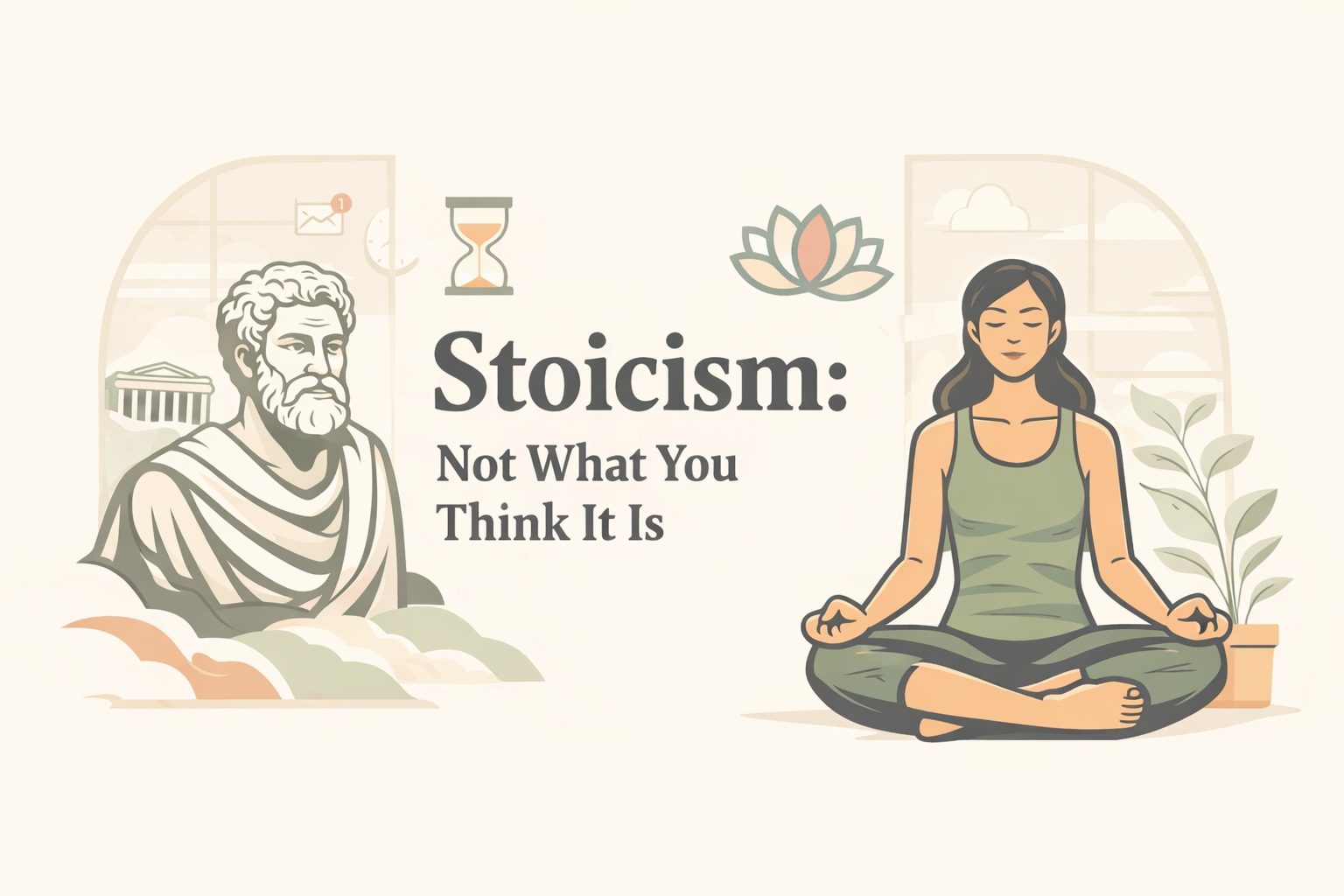
Before we talk about Stoicism, I have some things to say. I can’t imagine the amount of stress I go through on a daily basis. Whether it is going to work, meeting deadlines and getting promotions, making sure to eat well, paying the bills, or finding love, the things that were supposed to bring meaning to life are now the reasons for my distress.
How fast did the tables turn around? I can’t even remember if there was any table at all. And I can’t take another 10-minute test to analyze the level of stress I am dealing with, just to find that I need to buy a package of $150 to deal with my problems. Arggghhh!!! Could anyone please take me back to the age when the problems were not that heavy????
Well, while that is not possible, we could bring the ancient wisdom to light from 2000 years ago. Someone said that the so-called modern stress can only be cured with the ancient philosophical concepts of life. Which brings me to ancient philosophy. Yes, that is when Stoicism comes into the picture.
I mean, the Stoic thinkers like Marcus Aurelius, Seneca, and Epictetus lived in an age with wars, plagues, and political turmoil. They had real problems, and they made it through such a situation gracefully while creating a legacy in philosophy.
And here we are, having a mid-life crisis before we hit 30 because we didn’t get that job or that promotion or that antique designer bag from the sale!! Ah, Champagne Problems!!
So, to make sure that you and I live a less stressful life where all we aim is to eat well and live well, why not learn from the best ones? Get ready to be introduced to Stoicism: ancient wisdom that isn’t hidden in another app or therapy package, but in words written centuries ago – quietly waiting for us to notice them again.
But Do You Know The Real Meaning Behind Stoicism?
The first time I encountered the word stoic, I obviously went on the internet and searched the meaning behind it. Try doing that, and you will also get confused with all the fancy words. However, I took some time to break down the concept, and here I am simplifying it for you.
Stoicism means living a virtuous life where you think with your head. You are in your own control, and no external factors can manipulate you because you are stronger from within.
Being a stoic means you are resilient and have a rational judgment of everything. It may sound too much, but maybe if you try understanding it, you will see the light behind all of it.
Does Being Stoic Mean Putting Emotions In The Back Seat?

Well, to be honest, I thought that being stoic means putting emotions in the back seat. And trust me, I am a person who is driven by her feelings, and asking me to apparently switch off my emotions is asking a smoker to quit smoking from the next day. I can’t do that.
But most of my problems that only exist in my head are because sometimes I feel too much. I secretly wish that I could have a red button, and when things felt overwhelming, I could click the red button and somehow it would make me feel better. Don’t you think stoicism can be that red button?
They Say Being Stoic Means Restrictions…

It wouldn’t be wrong to say that there are many other philosophical concepts that try to tell how a human should behave in a certain framework. While many want to follow stoicism, philosophies like Epicureanism take a different road.
Epicureanism, for instance, focuses on seeking pleasure and avoiding pain, often by simplifying desires and finding joy in small, peaceful moments of life. Stoicism, on the other hand, does not tell you to chase happiness or deny it; it simply asks you to understand where your control truly lies. It doesn’t restrict what you feel or how you live, but gently reminds you that not everything deserves the same emotional weight.
I am not trying to bring down Epicureanism philosophy but I feel Stoicism is less about limiting yourself and more about freeing your mind from battles it never needed to fight in the first place.
Some Quotes From The Philosophers That May Make You Feel A Little Better
“The chief task in life is simply this: to identify and separate matters so that I can say clearly to myself with are externals, not under my control, and which have to do with the choice I actually control. Where then do I look for good and evil? Not to uncontrollable externals, but within myself to the choices that are my own.” – Epictetus
“It’s ruinous for the soul to be anxious about the future and miserable in advance of misery, engulfed by anxiety that the things it desires might remain its own until the very end. For such a soul will never be at rest— by longing for things to come it will lose the ability to enjoy present things.”– Seneca
“Frame your thoughts like this— you are an old person, you won’t let yourself be enslaved by this any longer, no longer pulled like a puppet by every impulse, and you’ll stop complaining about your present fortune or dreading the future.”– Marcus Aurelius
You have power over your mind, not outside events. Realize this, and you will find strength. – Seneca
Final Words!
For me, this is just a start. I’m still learning, questioning, and unlearning a lot when it comes to Stoicism and philosophy in general. So this is just one of the hundreds of conversations you and I will have going forward.
I’m so excited about it that I’ve already started planning my next topic to discuss here with you. I hope you’ll come back, and together we’ll figure out our weird thoughts and chaotic life, one blog at a time. Happy Reading!

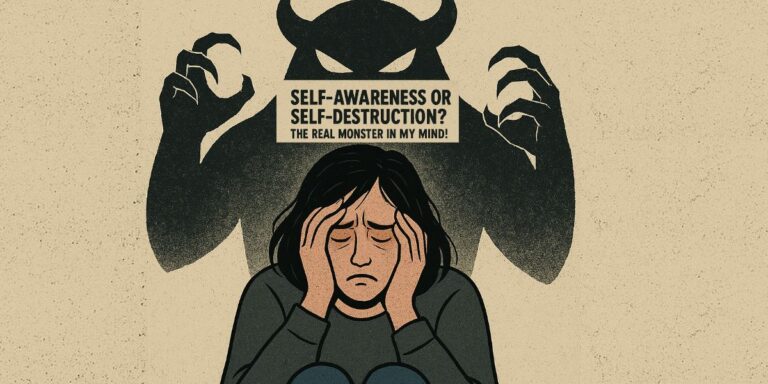

wish I had a red button for not feeling anything thing at all somthing like Cold mode without any guilts.